 Afghanistan
When the Taliban took control of Kabul in August 2021, the quick collapse of the former government caught many by surprise — although the insurgent group had made significant gains across the country once it was clear that all U.S. troops would leave.
Afghanistan is now facing one of the world’s worst humanitarian crises. The Afghan economy has no cash to pay salaries or buy food. Western aid has been suspended because the Taliban government includes designated terrorists. And millions of Afghans face acute malnutrition and starvation in the coming months. The Taliban lack capacity to manage these monumental challenges, but there is no clear alternative to their rule.
Featured Publications
Asfandyar Mir on Why ISIS-K Attacked Moscow
ISIS-K’s recent attack on the Russian capital was, in part, intended to assert the organization’s growing capacity to inflict terror beyond its home base of Afghanistan. “By reaching Moscow, ISIS-K is trying to signal it has the geographic reach to hit anywhere in the world,” says USIP’s Asfandyar Mir.
Moscow Concert Hall Attack Will Have Far-Reaching Impact
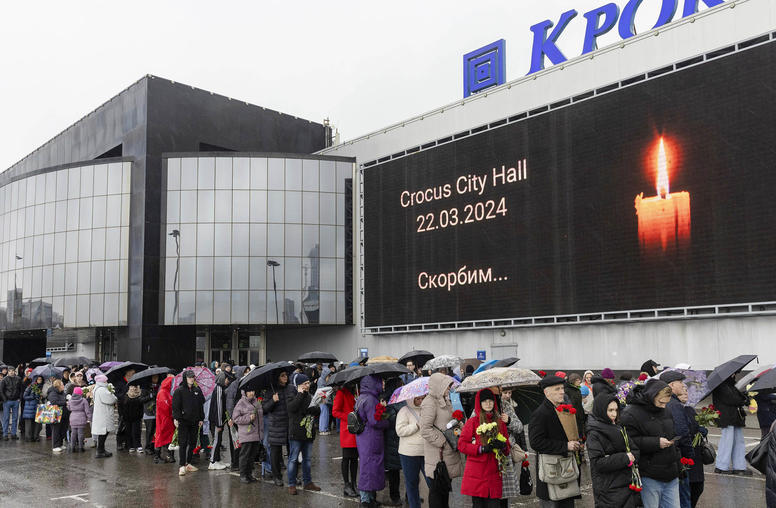
On Friday, terrorists attacked the Crocus City Hall outside Moscow leaving 140 people dead and 80 others critically wounded. Soon after, the Islamic State claimed responsibility for the attack. The terrorist group, which is headquartered in Iraq and Syria, has several branches, including in South and Central Asia. Press reports suggest the U.S. government believes the Afghanistan-based affiliate of the Islamic State, ISIS-Khorasan (ISIS-K), was behind the attack. The Biden administration has publicly noted that it had warned the Russian government of the terrorism threat in early March in line with the procedure of “Duty to Warn.”
The Challenges Facing Afghans with Disabilities
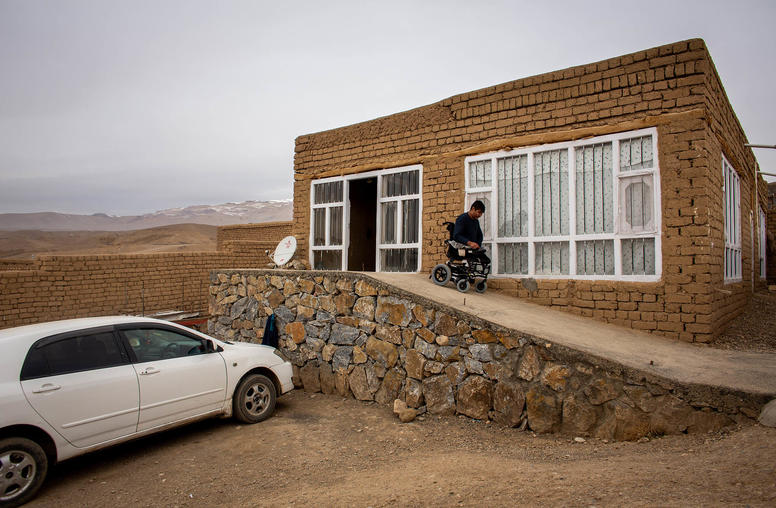
In Afghanistan, obtaining accurate data on the number of persons with disabilities — including gender-disaggregated information — has always been a challenging endeavor. But based on the data we do have, it’s clear that more than four decades of violent conflict have left a considerable portion of the Afghan population grappling with various forms of disabilities, both war-related and otherwise. And the pervasive lack of protective mechanisms, social awareness and empathy surrounding disability continue to pose formidable challenges for individuals with disabilities, with women being disproportionately affected.
Current Projects
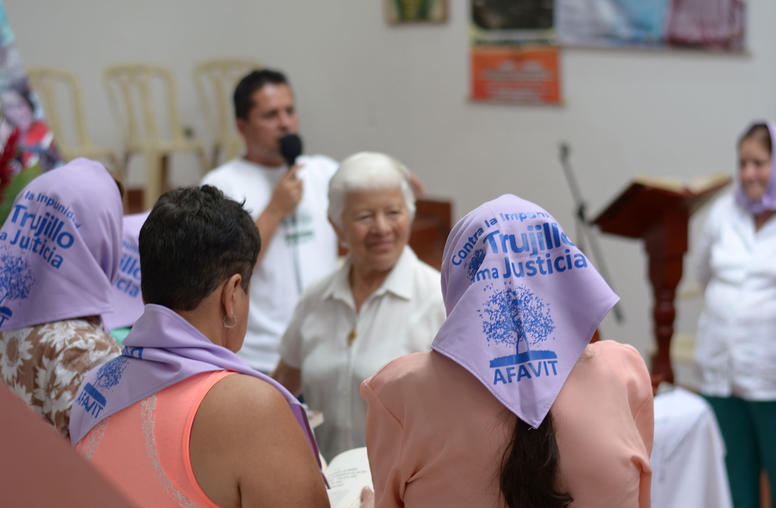
Religious Women Negotiating on the Frontlines
In recent years, peace processes — such as the track 2 intra-Afghan negotiations — have shown that on both a moral and practical level, women’s inclusion is essential. Women’s involvement in peace processes increases their likelihood of success and longevity and can increase legitimacy. While more literature on women contributing to mediation and negotiation efforts is slowly being produced, little attention is currently being paid to the already existing work of women who employ their faith and mobilize religious resources for peacebuilding.
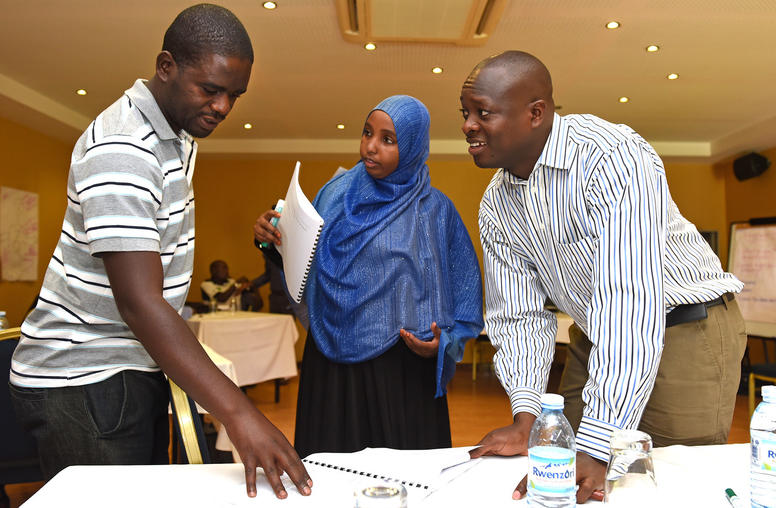
Youth Advisory Council
Built upon the belief that youth bring significant and unique insight to peacebuilding, the U.S. Institute of Peace’s Youth Advisory Council (YAC) provides a mechanism through which USIP experts can benefit from youth perspectives and expertise. The YAC enables USIP staff to engage youth as partners, experts, and practioners while elevating youth voices and experience to the international level. The YAC contributes to USIP’s vision for an inclusive approach to peacebuilding. The Youth Advisory Council meets regularly to bring together youth thought leaders and peacebuilding experts committed to the Institute’s mission and activities.
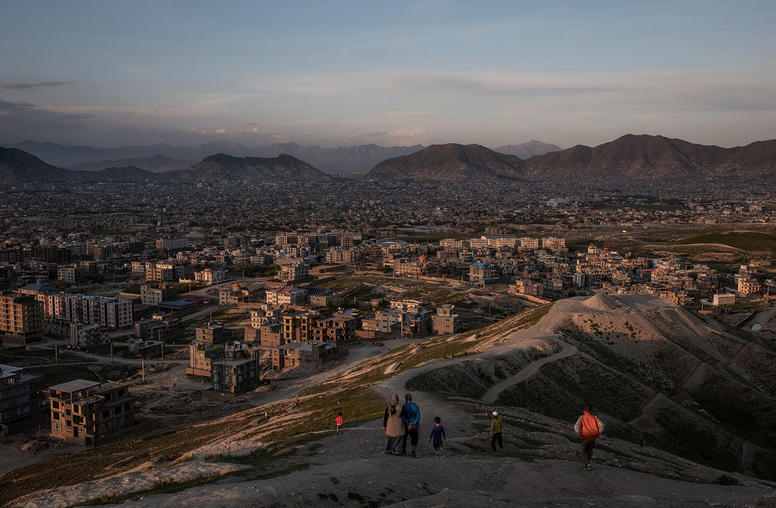
Afghanistan Peace Efforts
Almost 20 years after the United States ousted the Taliban regime, the first direct peace talks between the Taliban and the Afghan government began in Doha, Qatar in September 2020. The Taliban, Afghan government, and international forces have fought to a deadly stalemate, with both battle deaths and civilian casualties near record highs in recent years.