 Religion
Given religion’s influence on conflict dynamics around the world, it is critical that practitioners and policymakers understand and partner with religious leaders and people of faith to build peace. For more than 25 years, the U.S. Institute of Peace has worked on the role of religion in violence and peace, advancing cutting-edge research and policy, and developing effective strategies to engage religious actors, institutions and ideas across traditions in support of peace. From enhancing the peacemaking capacities of individuals and faith-based organizations to fostering meaningful dialogue within and across faiths, USIP works with local partners to promote inclusive religious peacebuilding.
Learn more in USIP’s fact sheet on Religious Engagement in Peacebuilding.
Featured Publications

Binalakshmi Nepram on Elevating the Voices of Indigenous Peacebuilders
As part of the first-ever Global Summit on Indigenous Peacebuilding, indigenous leaders have created a worldwide network to share knowledge and advocate for “indigenous people and indigenous processes … [to] be woven into the larger fabric” of the peacebuilding field, says USIP’s Binalakshmi Nepram.
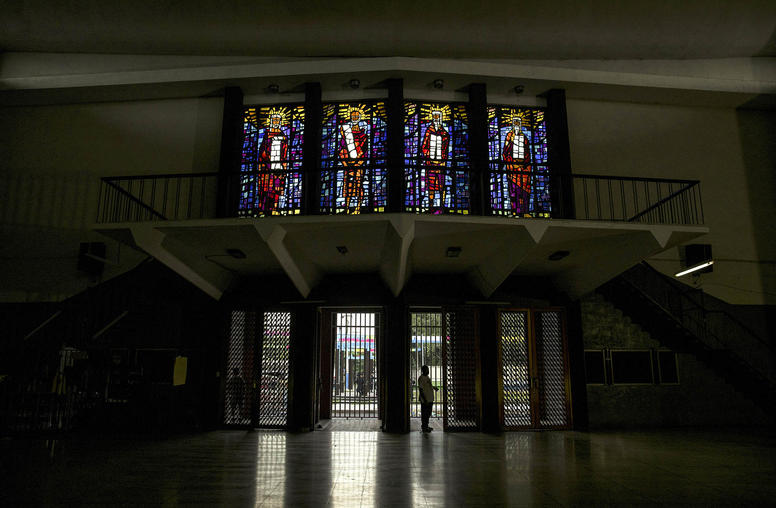
Promoting Peace and Stability in the Americas through Religious Freedom
The Western Hemisphere is generally known for protecting freedom of religion or belief. With a few notable exceptions, the countries of the region all enshrine religious freedom at the constitutional level and protect it through laws and policies. But in recent years, authoritarian governments in South America have increasingly viewed religious actors as threats to their regime’s survival and tried to control or crush independent religious activity.
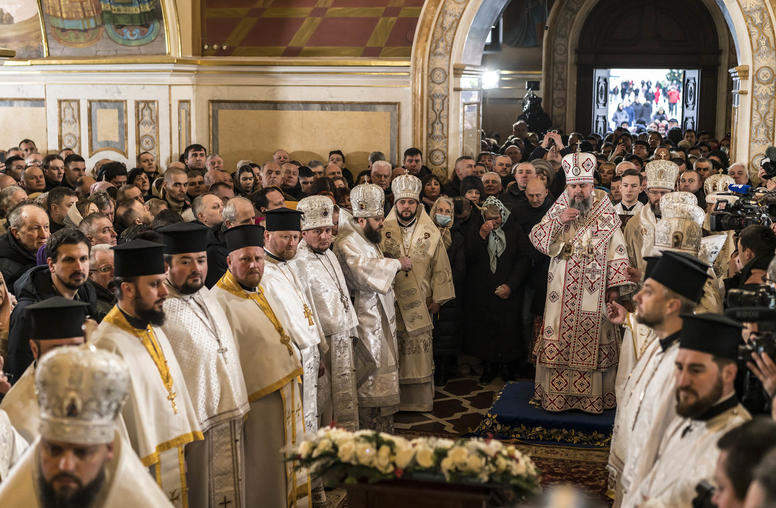
War and the Church in Ukraine
Vladimir Putin’s war to reverse Ukraine’s independence includes religion. For centuries, the Russian Orthodox Church bolstered Moscow’s rule by wielding ecclesiastical authority over Ukrainian churches. Since early 2019, Ukraine has had a self-governing Orthodox Church of Ukraine. Russia’s invasion has sharpened tensions between it and the rival branch historically linked to Moscow. Any conciliation between them could shrink areas for conflict — and the Kremlin’s ability to stir chaos — in a postwar Ukraine. It would bolster Ukraine’s future stability and reinforce a decline in Russia’s historically massive influence across the Orthodox Christian world. But can Ukrainians make that happen?
Current Projects
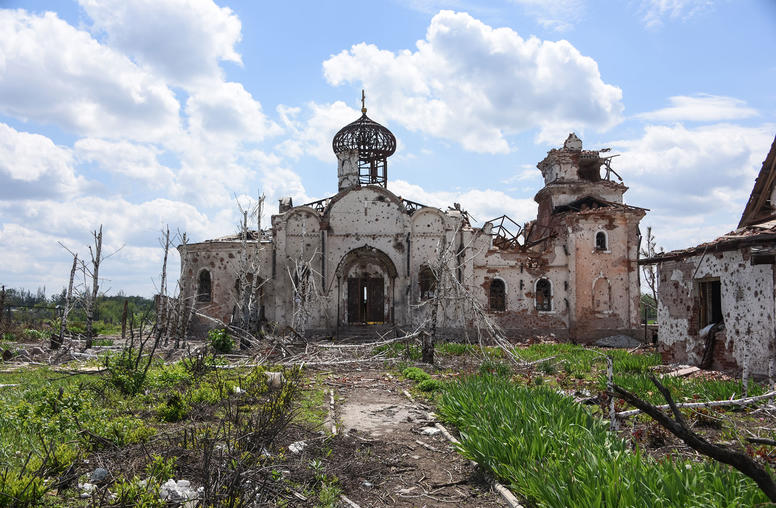
Religion and Conflict Country Profiles
USIP’s Religion, Peace and Conflict Country Profiles (RPACCs) are concise analytic overviews of the religious landscape in countries at risk of, currently experiencing or recovering from violent conflict. RPACCs are intended to be used primarily by policymakers and practitioners looking to develop rapid familiarity with the nature and status of religion in a given country of interest as well as to understand how religion intersects with conflict and peace dynamics. The RPACC series is an outgrowth of USIP’s previous work on Religious Landscape Mapping in Conflict-Affected States.
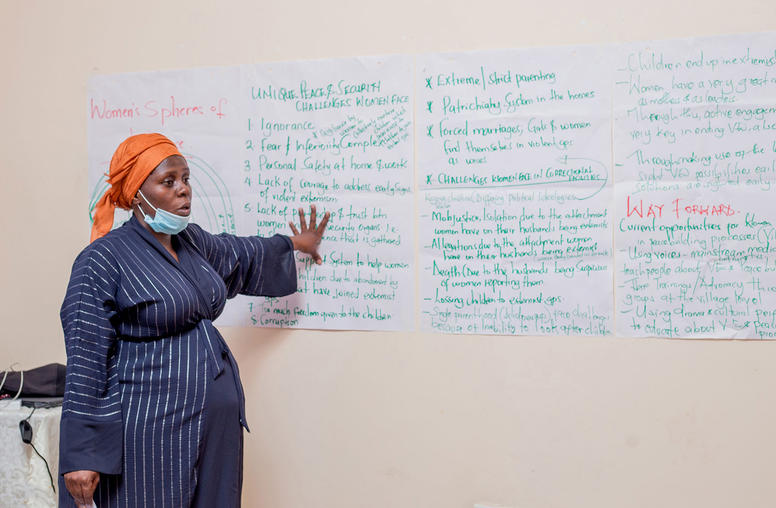
The USIP Learning Agenda
In support of the Evidence Act and as part of the U.S. national security architecture, USIP is carrying out its own learning agenda. Peacebuilding has long been viewed as too messy and complex for evidence-based approaches — but USIP’s mix of research and practice belies that assumption.
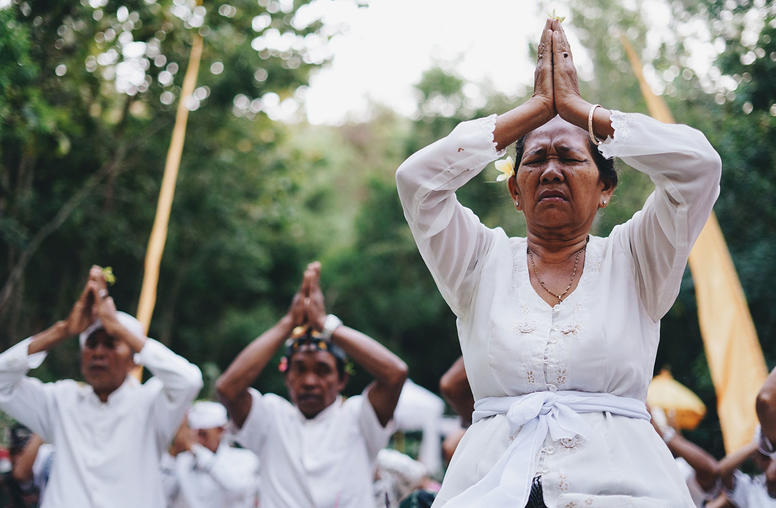
Religious Literacy and Peacebuilding
Peacebuilders and policymakers are engaged and involved with religious actors in almost every aspect of their work. Even where religion is not an explicit presence, it is a cultural undercurrent that is immutably present — and one that is often vastly underestimated by policymakers. As USIP’s three decades of experience working at the intersection of religion, peace and conflict has shown, the teachings of various religious traditions, the lived experience of those who practice them and the knowledge of how to engage with people of faith are all essential elements of effective peacebuilding.