 Education & Training
The U.S. Institute of Peace works with educational institutions to increase their ability to teach peace and conflict studies. The Institute develops curricula and conducts workshops on syllabus design and the pedagogy of peace and conflict resolution for universities in conflict-affected areas as well as for other learning institutions.
Featured Publications
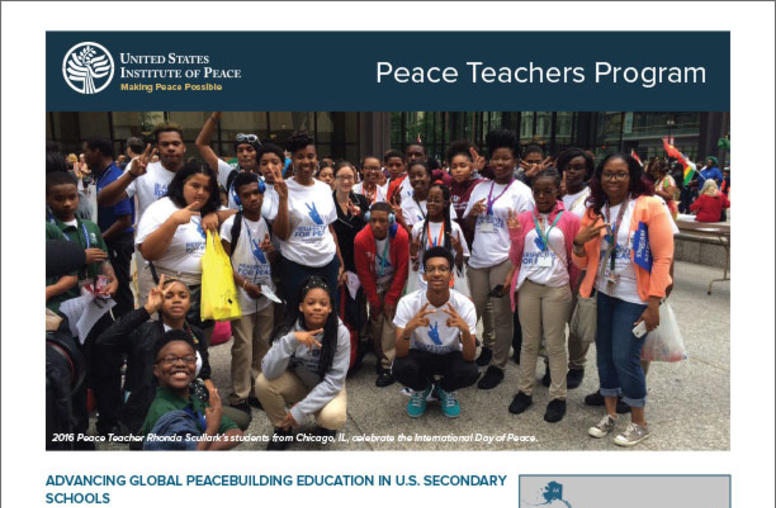
Peace Teachers Program
The U.S. Institute of Peace’s (USIP) Peace Teachers Program is rooted in the conviction that educators can be pivotal in bringing themes of global conflict and peace into their classrooms, schools, and communities.
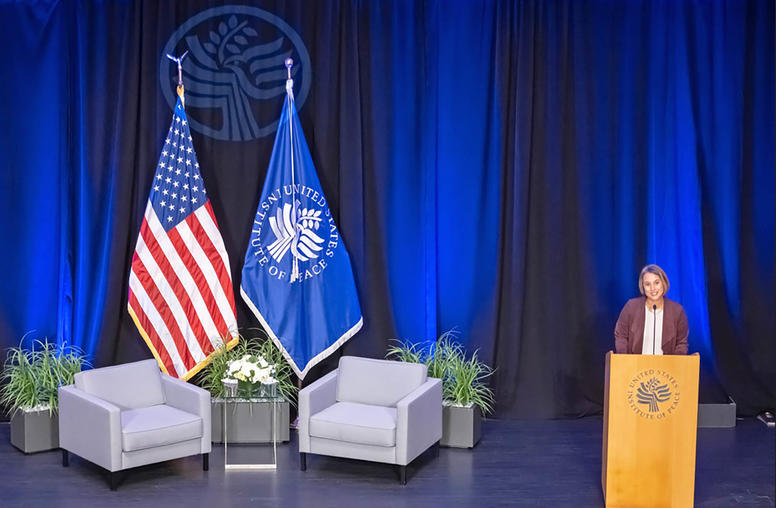
Teaching Peace: Nelson Mandela’s Story in a World of Conflicts
A world reeling from the brutal horrors of our current wars will next week mark (or perhaps overlook) the 10th anniversary of the death of a peacemaking icon: South Africa’s liberation leader and former president, Nelson Mandela. Amid continued or escalated wars — Israel-Gaza, Ukraine-Russia, Sudan, Yemen, Afghanistan and others — USIP this month hosted Georgia’s senator, the Reverend Raphael Warnock, in a discussion of Mandela’s legacy and immediate relevance. Another Georgian, Decatur High School history teacher Kristen Embry, introduced Warnock. She spoke about Mandela and her own mission of teaching history and peacebuilding to American students in the 2020s.
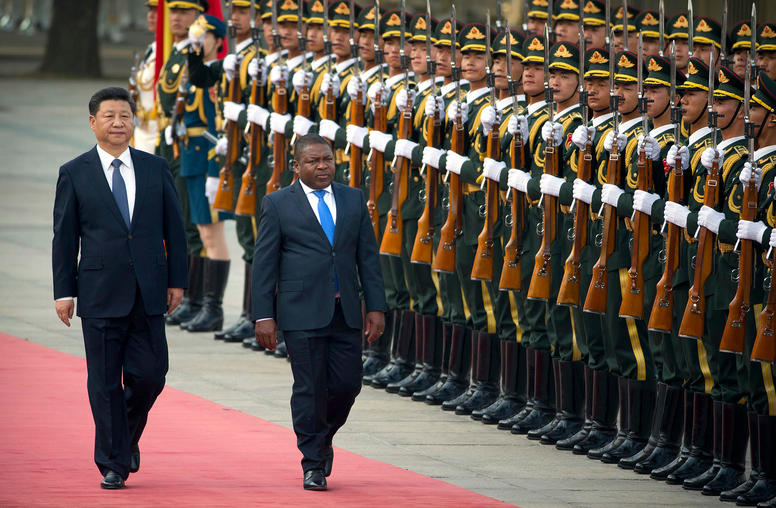
Chinese Professional Military Education for Africa: Key Influence and Strategy
One way the Communist Party of China seeks to increase the uptake of its norms, values, and institutional practices in Africa is by providing professional education and training opportunities to African military officers. In addition to promoting China’s governance models, these programs have graduates in top leadership positions across the continent, including presidencies and numerous top defense roles. This report urges US and Western policymakers to counter this influence by providing more opportunities for African officers to train in Western military institutions.
Current Projects
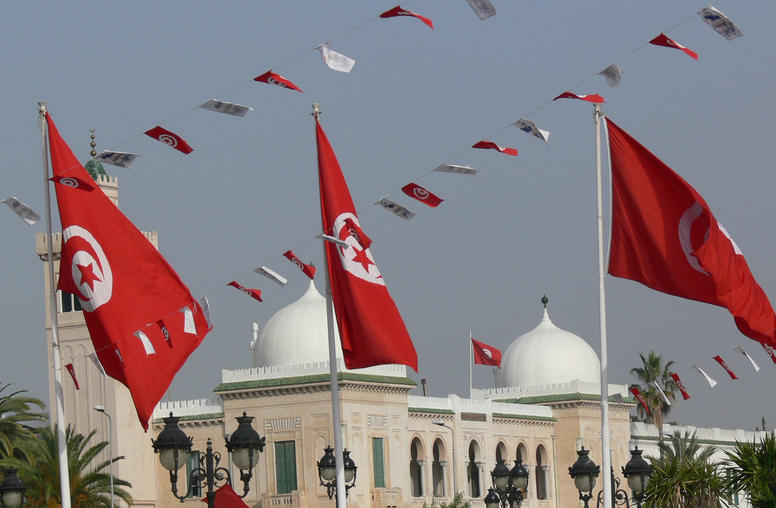
Supporting the International Diplomatic Academy of Tunisia
USIP has recently launched a partnership with the new International Diplomatic Academy of Tunis, which is mandated to prepare current and future diplomats with the diverse skills in communication, facilitation, mediation, negotiation and management that enable success in international diplomatic contexts.
Tunisia Security Sector Training Reform
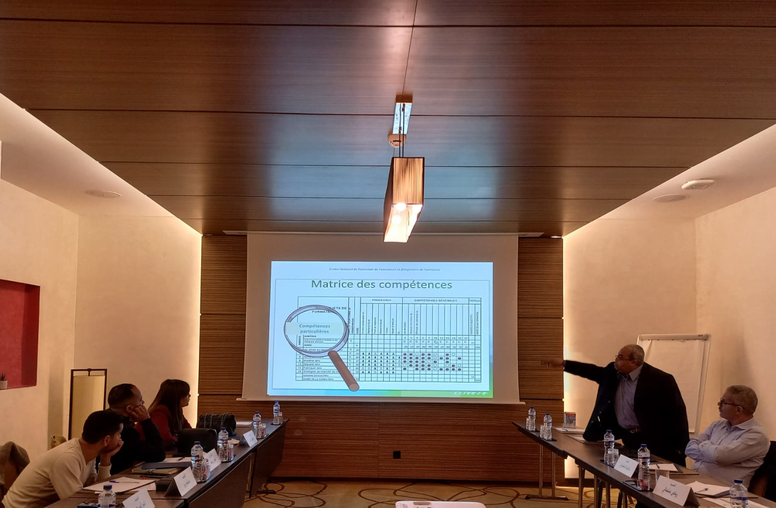
Since 2016, USIP and the Tunisian Ministry of Interior have been working in close partnership to collaboratively build a robust public-service oriented policing model in alignment with democratic norms and national and international standards. As part of these endeavors, with support from the Bureau of International Narcotics and Law Enforcement Affairs, USIP and the Tunisian National Guard launched a three-phased initiative to reconceptualize their training system, reinvigorating ongoing efforts to improve operational capacity in the field while upholding core values of accountability, transparency and human dignity.
Youth Country Liaison Initiative
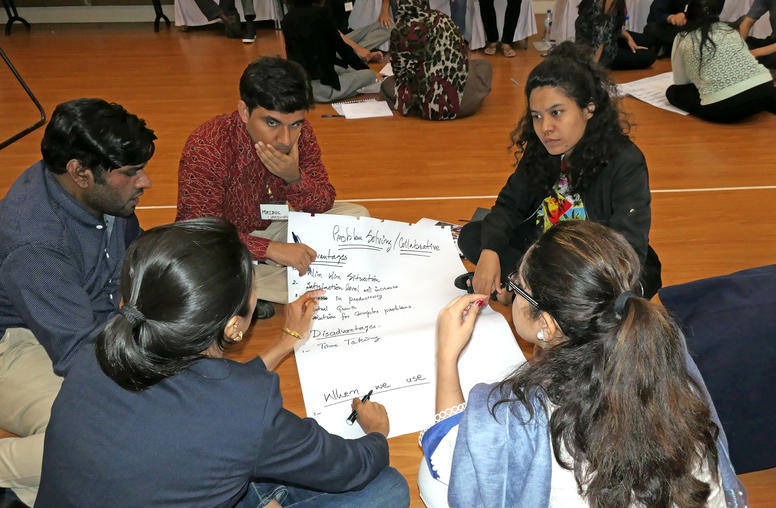
USIP created the Youth Country Liaison initiative to improve linkages between USIP country teams and USIP Generation Change fellows. As part of the initiative, the liaisons provide consultation within USIP and provide a youth-focused lens for USIP regional teams as they design and implement programs and activities. The Youth Country Liaison is a volunteer position for a duration of one year.