 Iraq
Iraq
Iraq is recovering from cycles of warfare, which displaced millions of people and caused massive destruction. As the country rebuilds, stabilizes and reintegrates into the region and the international community, it also needs to improve governance, diversify its economy and adapt to climate change. Since 2003, USIP has operated uninterrupted in Iraq, providing problem-solving platforms and technical assistance to civic groups and local and national government institutions involved in peacebuilding efforts. Current initiatives include helping Iraqis mediate and resolve complex return and reintegration issues in ISIS-liberated areas, especially addressing stigma associated with returns from al-Hol Camp in Northeast Syria and supporting ethnic and religious minorities to recover from ISIS’s genocide; advancing implementation of UNSCR 1325 on Women, Peace and Security; and supporting governance and adaptation to climate change.
Learn more in USIP’s fact sheet on The Current Situation in Iraq.
Featured Research & Analysis
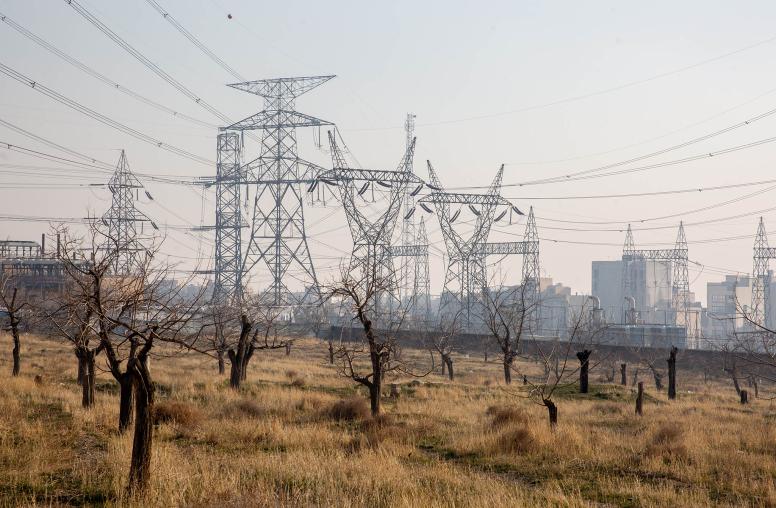
What Does ‘Maximum Pressure’ on Iran Mean for Iraq?
On March 8, the United States allowed a waiver to expire that had permitted Iraq to buy Iranian electricity. The move was the latest in the Trump administration’s “maximum pressure” campaign to cut off Iran’s revenue streams and push Tehran to negotiate over its controversial nuclear program. The waiver dates back to President Trump’s first term. In 2018, Trump withdrew the U.S. from the 2015 Iran nuclear deal, which had granted Iran sanctions relief in return for curbing its nuclear program and expanding cooperation with the U.N. nuclear watchdog.
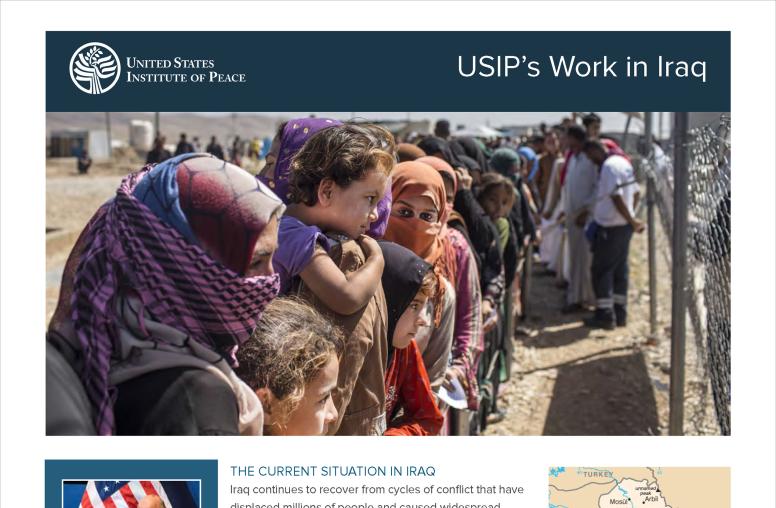
The Current Situation in Iraq
Iraq continues to recover from cycles of conflict that have displaced millions of people and caused widespread destruction. As the country rebuilds domestically and reintegrates into the region and the international community, it also needs to improve governance, diversify its economy and address water insecurity, among other challenges. Iraq also continues to grapple with the lasting human legacies of ISIS, including the reintegration of returnees from al-Hol camp in Northeast Syria and internally displaced persons.
Stigmatization Experienced by Families with Perceived ISIS Affiliation in Anbar Province
This discussion paper addresses the challenge of stigmatization faced by families in Iraq with perceived ISIS affiliation, particularly in Anbar province, where many have lived in the al-Hol camp. This stigma arises from community beliefs about their connection to ISIS through male relatives or past residence in ISIS-controlled areas. Stigmatization impacts these families' ability to reintegrate and includes harassment, rejection, property appropriation, and legal and social barriers. The paper includes key research findings and policy recommendations in response to these findings.
Current Projects

مرصد النزاع وإعادة الاستقرار
إن مرصد النزاع وإعادة الاستقرار (CSMF )، يشار إليه لاحقاً "المرصد"، هو أداة لجمع البيانات جرى تكييفها لتلائم السياق العراقي وهي مستمدّة من إطار معهد الولايات المتحدة للسلام لقياس مدى التقدّم المحرز في بيئات النزاع. يقوم هذا المرصد بجمع البيانات مباشرة من المجتمعات المحلية المتضررة من النزاع في العراق باستخدام مجموعة من 92 مؤشراً مرتبطة بخمسة مواضيع أساسية وتحقيق الاستقرار وهي الحوكمة؛ والمصالحة والعدالة؛ والتماسك الاجتماعي والرفاه؛ وسيادة القانون؛ والسلامة والأمن. ولقد تم إجراء جلسات التحقق مع أعضاء المجتمع باستخدام بيانات من الجولة الرابعة، وتم استكمال البيانات من الجولتين الرابعة والخامسة بمقابلات المخبرين الرئيسيين مع صانعي القرار المحليين. ويؤسّس هذا المرصد قاعدة أدلة قوية لبناء السلام في العراق باستخدام بيانات نظامية وطولية عبر فترات زمنية مختلفة. وتُوفّر هذه البيانات رؤى دقيقة يمكن أن تسترشد بها الجهود المبذولة للتخفيف من حدّة النّزاع العنيف وفي بعض الأحيان تسائل الافتراضات الشائعة بشأن العوائق التي تحول دون تحقيق السلام.
Conflict and Stabilization Monitoring Framework
The Conflict and Stabilization Monitoring Framework (CSMF) is a data collection tool adapted to the Iraq context from USIP’s Measuring Progress in Conflict Environments framework. CSMF collects data directly from Iraq’s conflict-affected communities using a set of 48 indicators tied to four core conflict and stabilization dynamics: community security, rule of law, governance, and livelihoods. The CSMF was created to establish a robust evidence base for peacebuilding in Iraq using systemic, longitudinal data.
Stabilization and Resilience in Iraq’s Minority Communities
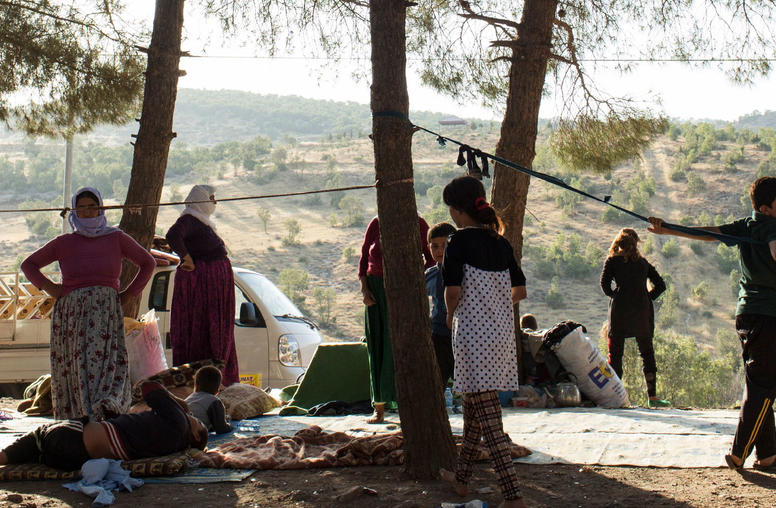
For almost a decade, the U.S. Institute of Peace and its Iraqi partners have supported ethnic and religious minority communities in Iraq as part of the Institute’s broader mission of helping the country strengthen communal and institutional resilience. Employing innovative approaches to peacebuilding, USIP seeks to empower minority groups including Christians, Faily Kurds, Kakayees, Sabean-Mandaeans, Shabaks, and Eyzidis (Yazidis) to solve inter-communal disputes, and to advocate at all levels of government for their rights, access to services, and security.