 Conflict Analysis & Prevention
Strategies to prevent, manage or resolve violent conflict can succeed only if they are grounded in clear analysis of the causes and potential trajectory of a conflict. Through research, training and analytical techniques, the U.S. Institute of Peace empowers practitioners and local communities with means to more effectively avert violent conflict.
Featured Publications
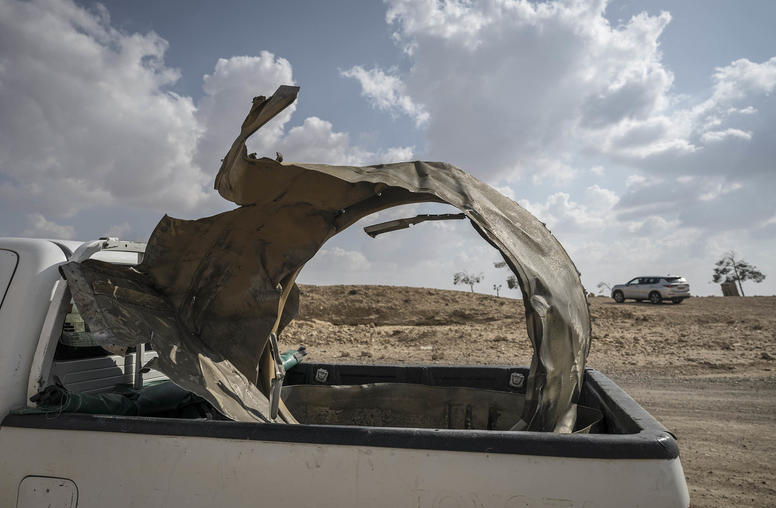
Iran’s Attack and the New Escalatory Cycle in the Middle East
The Middle East is entering a new phase after unprecedented attacks by Israel and Iran during the first two weeks of April. Robin Wright, a senior fellow at USIP and the Woodrow Wilson Center who has covered the region for a half century, explores what happened, the strategic implications, the political context and the divided world reaction.
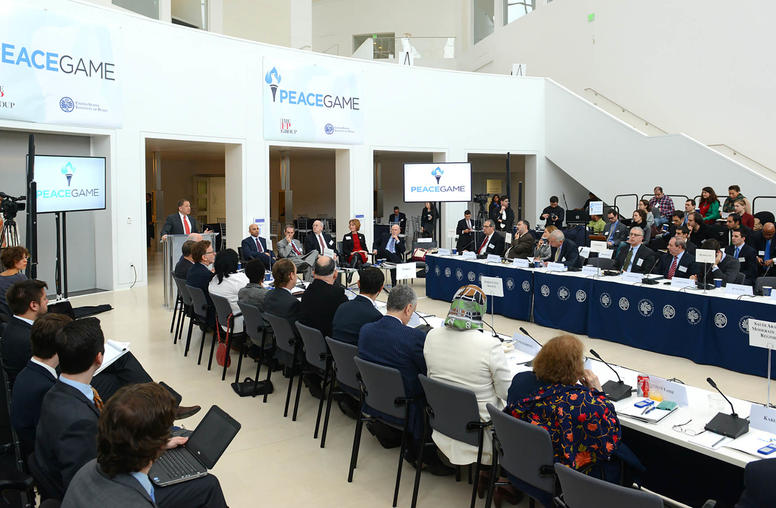
Why Peace Games? Insights from East Asia
These days, Washington seems to be awash in war games, especially China-related ones. Yet, despite the dangers posed by a great power conflict, there are shockingly few peace games happening inside the Beltway outside the auspices of our home institution, the U.S. Institute of Peace.
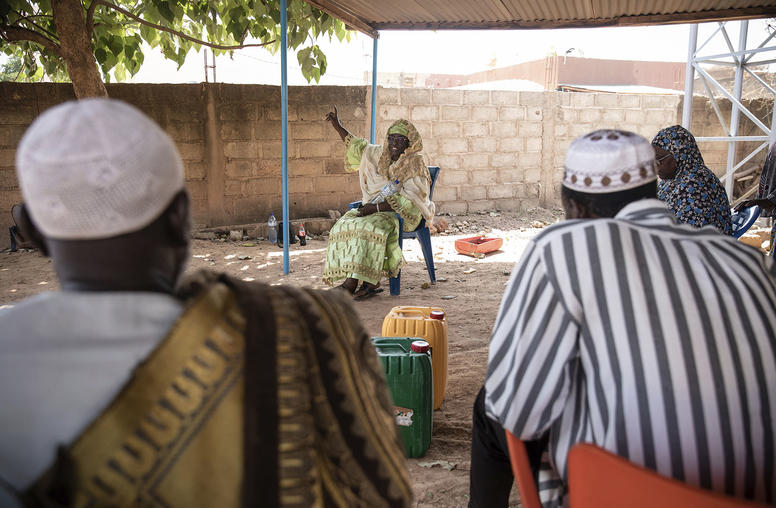
Linking Early Warning and Early Response Networks to Curb Violence in West Africa
A conflict early warning and early response (EWER) ecosystem has been developing in West Africa as multilateral organizations, governments, civil society groups, and others have established systems that detect threats and provide critical information to relevant authorities. Yet individual EWER systems are prone to a range of failures—from gaps in data to decision-making bottlenecks to response coordination breakdowns. This report argues that linking individual systems—a network-of-networks approach—can improve outcomes for people across West Africa and serve as a model for other conflict-affected regions around the world.
Current Projects

Crisis in Haiti
Analysis of Haiti’s deepening crisis, its implications for regional peace and security, and policy options for the United States to consider.

Tracking China’s Global Security Initiative
China’s ongoing push to change the international security order entered a new phase with the launch of the Global Security Initiative (GSI) in April 2022. The GSI promotes a set of distinct security concepts and principles — many of which reflect Beijing’s longstanding international normative preferences, such an emphasis on territorial sovereignty and noninterference. USIP is tracking how the GSI is being operationalized by China, with an initial focus on essay series examining China’s GSI activities in ASEAN and Central Asia.
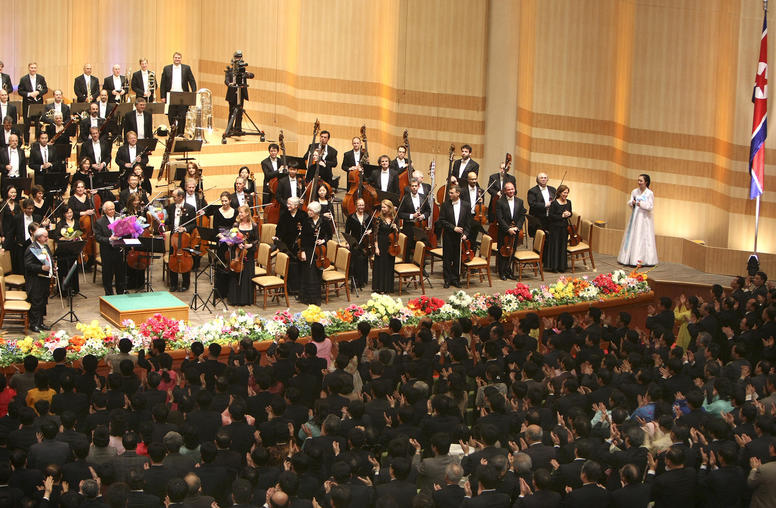
Pursuing Peaceful Coexistence with North Korea: An Essay Series
This ongoing USIP essays series explores how the countries involved in the Korean Peninsula can tangibly and realistically reduce risks and improve relations within a reality where North Korea possesses nuclear weapons and will not denuclearize in the foreseeable future. In other words, how can the United States and South Korea peacefully coexist with a nuclear North Korea?