Informal Markets and Peacebuilding in North Korea
On July 19, USIP held a full day conference that explored transformations inside North Korea that have significant implications for the regime and the U.S.’s North Korea policy. A group of Seoul-based North Korean defectors spoke at the conference and shared their unique experiences and operational insights from conducting business in the informal markets.
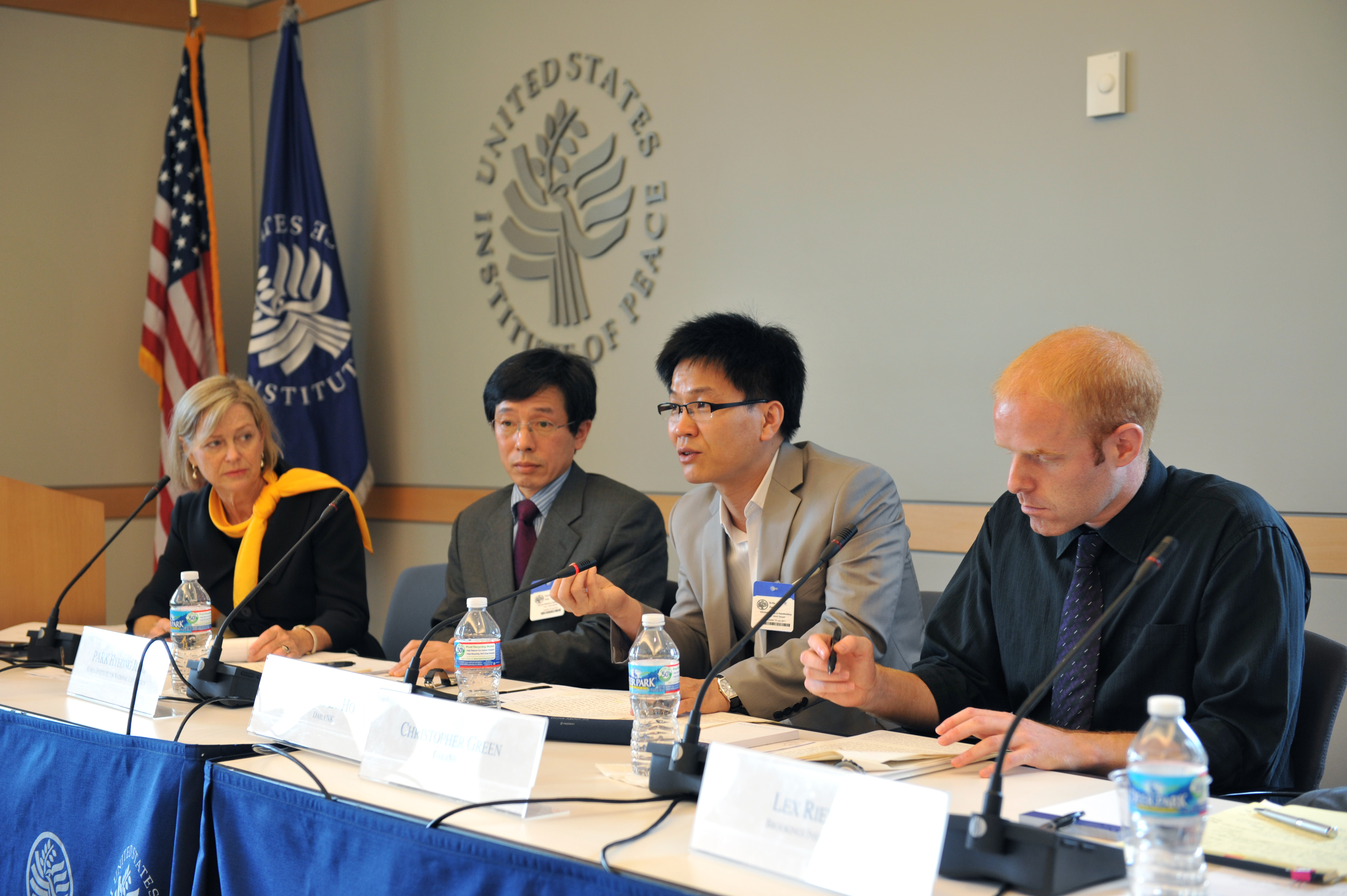 For many, North Korea conjures up images of clandestine nuclear weapons development and recent provocations against South Korea. Remarkable transformations that have been taking place at the local level inside the reclusive country have been overlooked. The increasing role of North Korea’s expanding informal markets remains largely under examined.
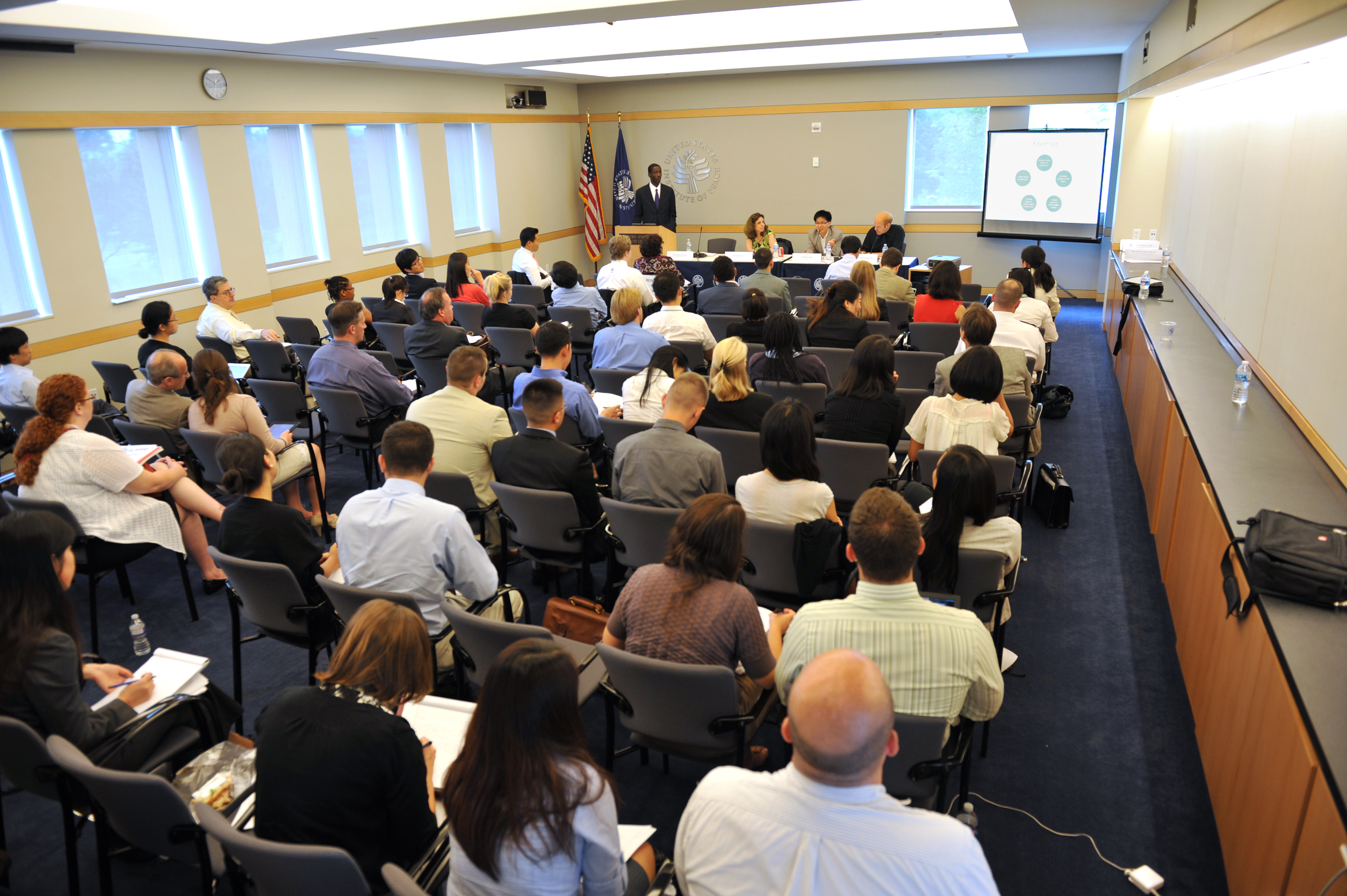 Initially a response to the Great Famine of the late 1990s and the collapse of the Public Distribution System, informal markets have evolved to constitute important survival strategies and coping mechanisms for North Korean citizens. Functioning close to the Sino-DPRK border, these informal markets benefit a growing number of North Koreans from diverse socioeconomic groups, ranging from farmers to factory workers to government officials. What accounts for the sustainable growth of these informal markets? What are the market trends going forward? And on a macro level, how might these informal markets contribute to future peacebuilding in North Korea and along the Sino-DPRK border region?
On July 19 USIP held a full day conference that explored transformations inside North Korea that have significant implications for the regime and the U.S.’s North Korea policy. A group of Seoul-based North Korean defectors spoke at the conference and shared their unique experiences in and insights about the informal markets.The conference also:
- Explored how informal markets have been expanding in North Korea and what role women play in these markets
- Examined the impact of remittances on the local political economy in key North Korean regions
- Evaluated the role of technology in expanding the scale and scope of activity in the informal markets
- Assessed lessons learned from other border regions in building local economies
Agenda
8:30 AM - 9:00 AM | Registration & Coffee
9:00 AM - 9:30 AM | Opening Session
- Amb. William B. Taylor, Welcoming Remarks
Senior Vice President, Center for Conflict Management, USIP - Dr. John Park, Opening Remarks
Senior Program Officer-Northeast Asia, USIP - Dr. Stephen Linton, Keynote Speaker
Chairman, Eugene Bell Foundation
9:30 AM - 10:30 AM | Panel 1: The Role of Women in the Growth of DPRK Informal Markets
- Dr. Kathleen Kuehnast , Moderator
Director, Gender and Peacebuilding Center, USIP - Dr. Hyeong-Jung Park
Senior Research Fellow, Korea Institute for National Unification - Mr. In-Ho Park
President, DailyNK - Mr. Lex Rieffel
Nonresident Senior Fellow, Brookings Institution
10:30 AM - 11:15 AM | Group Discussion
11:30 AM - 12:15 PM | Lunch Break (lunch will be provided to participants)
12:15 PM - 1:15 PM | Panel 2: The Impact of Remittances on Local Political Economy
- Dr. Raymond Gilpin, Moderator
Director, Sustainable Economies, USIP
-
Mr. In-Ho Park
President, DailyNK - Dr. Sonia Plaza
Senior Economist, Migration and Remittances Unit, World Bank
1:15 PM - 1:45 PM | Group Discussion
1:45 PM - 2:45 PM | Panel 3: The Role of Mobile Phones in Expanding Informal Markets
- Dr. Sheldon Himelfarb, Moderator
Director, Center of Innovation: Science, Technology & Peacebuilding, USIP - Mr. Seok-Young Lee
Defector Reporter, DailyNK - Ms. Krista Jones Baptista
ICT Services Manager, DAI
2:45 PM - 3:00 PM | Group Discussion
3:00 PM - 3:15 PM | Wrap-Up Session
Explore Further:
- Countries and Regions: Korean Peninsula
- Korea Working Group
- Gender and Peacebuilding Center
- Science, Technology, and Peacebuilding Center
- Center for Sustainable Economies
Related Academy Courses
- Conflict Prevention in Latin America
- Land, Property, and Conflict
- Stabilization and Peacebuilding: Understanding Dynamic Processes and Making Them Work